
Month: July 2026

Lab Centrifuge Safety Tips Every Laboratory Should Follow

Laboratories must enforce strict centrifuge protocols to prevent accidents and sample loss. Operators confirm tube weights and balance, select compatible rotors and tubes, and match RPM/RCF to tube ratings. PPE is required and emergency roles are assigned Micro centrifuge. Inspect rotors, buckets, seals, and gaskets regularly, log maintenance, and run vibration tests before use. Secure lids, avoid overfilling, and report noises immediately. Further guidance outlines stepwise checks, speed conversions, and containment practices for safer workflow.

Centrifuge Safety: Essential Guidelines for Laboratory Operations | Lab  Manager

Run‑By‑Run Centrifuge Safety Checklist (Balance, Speed, Containment)

A concise run‑by‑run checklist guarantees each centrifuge use begins with verified balance of tubes, correct rotor speed and acceleration settings, and appropriate containment measures for the sample type; these checks diminish mechanical stress, prevent spills, and limit aerosol generation.

The operator confirms tube weights match within tolerance, inspects rotor and buckets for damage Lab Alliance, and ensures lids and seals are secure. Settings are verified against protocol limits and logged before start.

Personal protective equipment is donned, and a clear work area is maintained to allow immediate access to the stop control.

After run completion, the chamber is inspected for leaks, samples are transferred using containment as needed, and any irregular noises or vibrations are reported.

Routine adherence preserves equipment and autonomy in workflow.

Choose the Right Rotor and Tubes for Your Sample and Speed

When selecting a rotor and tubes, the operator matches tube material, size, and rated speed to sample type and protocol requirements to guarantee structural integrity and containment under the chosen g‑force.

The operator verifies rotor compatibility with the centrifuge model, inspects rotor for corrosion, cracks, and worn threads, and confirms rotor maximum speed and RCF ratings.

Tubes are chosen for chemical resistance, wall thickness, and sealing method; disposable and reusable options are evaluated against temperature and solvent exposure.

Adapters and inserts are used only when specified, and their fit is confirmed to prevent slip or deformation.

Documentation of rotor maintenance, tube batch specifications, and manufacturer instructions is maintained so users retain autonomy while minimizing mechanical and contamination risks.

Balance Loads, Set Safe Speeds, and Verify RPM/G‑Force

Proper rotor loading and speed selection are essential to prevent mechanical failure and sample loss: users must evenly distribute tubes or adaptors to achieve dynamic balance, pair heavy with heavy and light with light, and never rely on visual estimation alone.

Operators should calculate or use manufacturer charts to convert between RPM and relative centrifugal force (RCF/G), selecting speeds that match tube ratings and sample resilience. When uncertain, choose the lower compatible speed and increase only with validation.

Secure lids and use rated buckets or rotors; avoid overfilling tubes and check seals. Program centrifuge controls with intended RCF when available rather than RPM to ensure reproducibility across rotors.

Clear labeling of speed limits and conservative practice supports safe, autonomous lab work.

1,667 Centrifuge Scientist Videos

Routine Inspection and Centrifuge Maintenance Checklist

How often should a centrifuge be inspected to guarantee safe, reliable operation? Routine inspections occur weekly for basic checks and quarterly for detailed maintenance; intervals may expand with robust performance records. A concise checklist promotes autonomy and safer labs without bureaucratic drag.

  1. Inspect rotor, buckets, and lids for cracks, corrosion, or deformities; verify secure mounting and manufacturer torque specs.
  2. Check seals, gaskets, and chamber cleanliness; remove debris, lubricate per guidance, and confirm vibration-free operation during a short test run.
  3. Verify calibration of speed and timer, test imbalance detection, and log service dates, repairs, and parts replacements for traceable responsibility.

Recordkeeping enables informed decisions and freedom to operate confidently while minimizing unexpected downtime.

Wear the Right PPE and Rehearse Spill/Emergency Procedures

Why is personal protective equipment indispensable around centrifuges? The text explains that PPE—lab coat, splash goggles, face shield, nitrile gloves and closed-toe shoes—creates a barrier against aerosolization, rotor failure debris, and chemical spills, preserving individual autonomy to work safely.

Operators choose gear calibrated to risk, donning and inspecting PPE before runs. Emergency rehearsals reinforce rapid, measured responses: spill containment, decontamination, evacuation and incident reporting. Regular drills empower staff to act without hesitation, ensuring personal and collective freedom to continue work.

Documentation of drills, accessible spill kits, and clear role assignments reduce confusion. Together, appropriate PPE and practiced emergency procedures minimize harm, maintain operational independence, and uphold laboratory resilience.

Conclusion

Centrifuge safety depends on disciplined preparation, correct equipment selection, and consistent maintenance. By verifying balance, matching rotors and tubes to speed and sample type, and confirming RPM and g‑force settings, laboratories minimize mechanical and biohazard risks. Regular inspections, prompt servicing, and adherence to containment protocols preserve instrument integrity. Appropriate PPE and rehearsed spill and emergency procedures safeguard personnel. Together, these practices create a predictable, resilient centrifugation workflow that reduces accidents and ensures reliable results.

…
Exhibition Booth Design Ideas to Help Your Brand Stand Out at Events

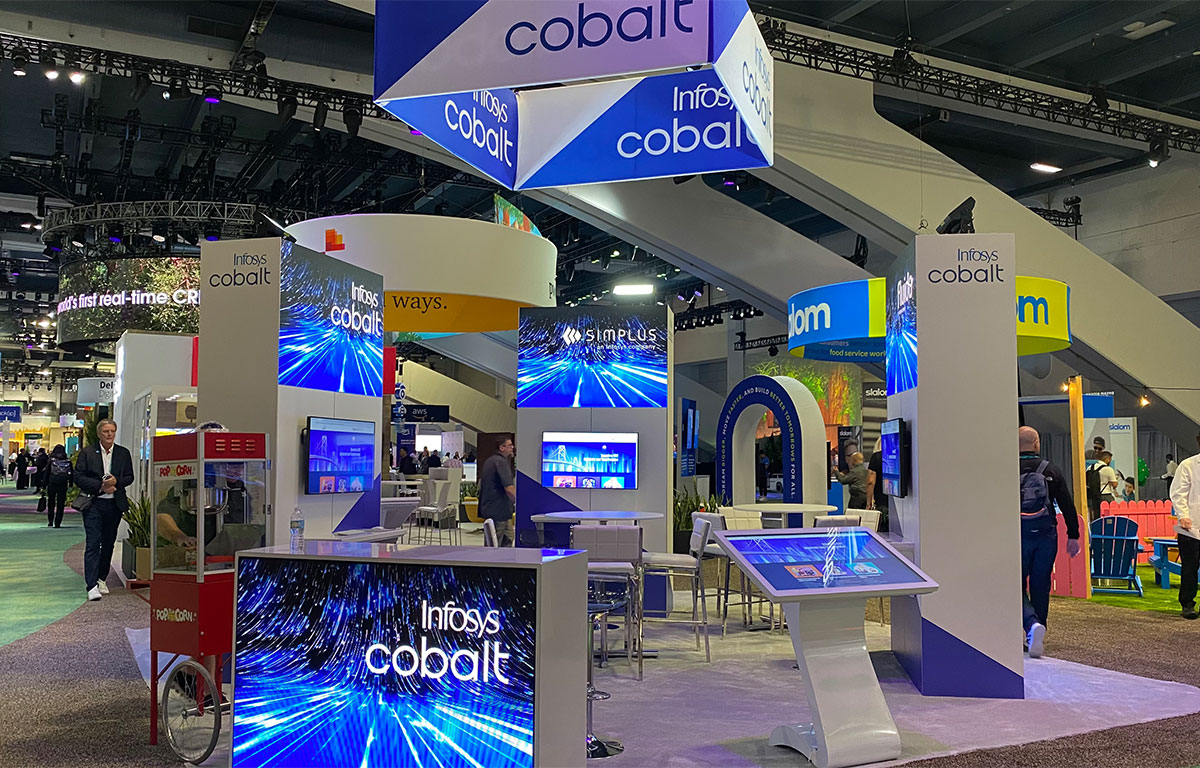
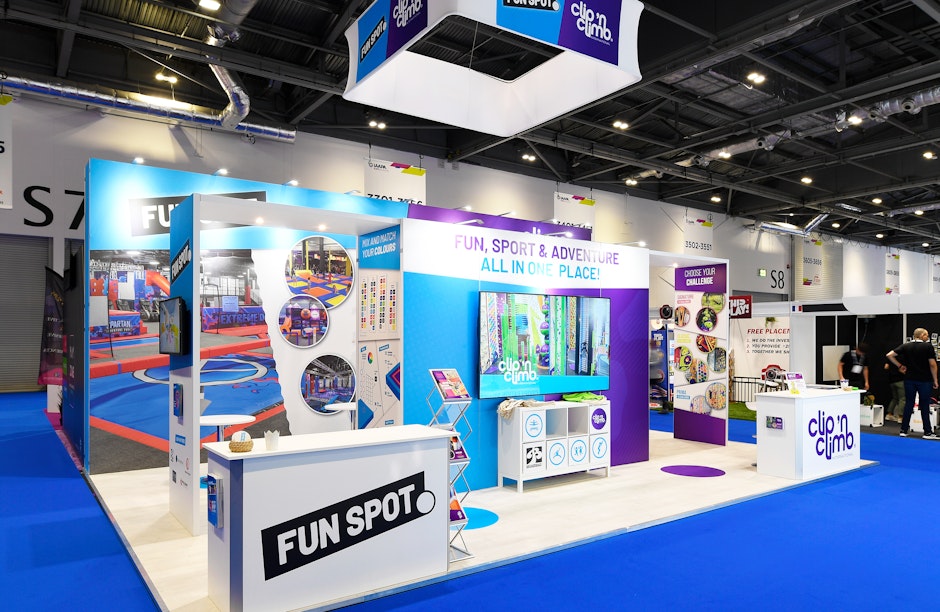
Effective exhibition booth design combines open layouts with clear pathways to attract and guide visitors smoothly. It highlights brand storytelling through concise visuals and cohesive messaging, reinforced by bold colors and dynamic lighting to capture attention booth design for exhibition. Interactive features like touchscreens and live demos engage attendees, creating memorable experiences. Budget-friendly choices, such as modular setups and reusable materials, maximize impact without overspending. Exploring these elements further reveals how to create an inviting, standout booth that leaves a lasting impression.

5 Creative Trade Show Booth Design Ideas to Make Your Brand Stand Out -  Multi Image Group

Choose an Exhibition Booth Layout That Boosts Visitor Traffic

Selecting an effective exhibition booth layout is essential for attracting and guiding visitor flow. The layout should encourage easy access and natural movement, allowing attendees the freedom to explore without feeling confined.

Open designs with multiple entry points can invite curiosity https://upstageexpo.com/home, while clear pathways prevent congestion. Modular setups offer flexibility, adapting to different spaces and visitor behaviors.

Prioritizing sightlines guarantees key elements are visible from various angles, drawing visitors in organically. Avoiding clutter maximizes usable space, promoting comfort and engagement.

Strategic placement of interactive zones can stimulate exploration and extend visits. Ultimately, a well-planned layout empowers visitors to navigate effortlessly, enhancing their experience and increasing the likelihood of meaningful interactions without imposing restrictions or barriers.

Showcase Your Brand Story Clearly in Your Booth Design

An effective booth layout sets the stage for visitor engagement, but communicating the brand’s story clearly within that space transforms casual interest into lasting connections.

The design should convey the brand’s core values and mission with straightforward visuals and messaging. Integrating concise storytelling elements—such as impactful graphics, brief narratives, or interactive displays—helps visitors quickly grasp what the brand stands for. This clarity invites freedom of interpretation while maintaining focus, allowing individuals to connect meaningfully without feeling overwhelmed.

Every component in the booth, from signage to product placement, must support the narrative cohesively. By doing so, the booth becomes more than a display; it becomes a space where visitors experience the brand’s identity, encouraging genuine engagement and fostering memorable impressions that extend beyond the event.

Use Colors and Lighting to Make Your Booth Stand Out

While colors and lighting often work independently, their combined effect can dramatically enhance a booth’s visibility and appeal. Strategic use of bold, contrasting colors captures attention, creating a memorable visual identity that reflects the brand’s essence without constraint.

Lighting accentuates these colors, adding depth and focus to key areas, guiding visitors naturally through the space. Warm tones invite engagement, while cool hues evoke calm and professionalism, offering freedom to tailor the atmosphere.

Dynamic lighting techniques, such as spotlights or LED accents, further energize the environment, making the booth stand out even in crowded settings. Together, colors and lighting form a powerful duo, enabling brands to express themselves boldly and attractively, freeing them from the limitations of conventional design and sparking genuine interest at events.

Creative Exhibition Stand Ideas to 'Wow' Attendees

Add Interactive Elements That Engage Attendees

Incorporating interactive elements transforms a booth from a passive display into an engaging experience that captivates attendees. Interactive features invite visitors to participate actively, fostering memorable connections with the brand. Touch screens, virtual reality, or product demonstrations encourage exploration and curiosity, allowing attendees to control their experience.

Gamification, such as quizzes or challenges, can motivate engagement while providing valuable insights about visitor preferences. Additionally, live interactions with brand representatives enhance communication and build trust.

Design a Budget-Friendly Exhibition Booth That Impresses

Engaging attendees through interactive elements often raises concerns about budget constraints. Designing a budget-friendly exhibition booth that impresses requires strategic choices that maximize impact without overspending.

Key considerations include:

  1. Prioritize versatile, reusable materials to reduce long-term costs.
  2. Incorporate bold graphics and lighting to create visual appeal without excessive expense.
  3. Utilize digital tools like tablets or screens for dynamic content, minimizing physical displays.
  4. Optimize layout for open space, encouraging natural flow and comfortable engagement.

Conclusion

An effective exhibition booth design plays a vital role in attracting visitors and enhancing brand visibility at events. By selecting an ideal layout, clearly communicating the brand story, utilizing strategic colors and lighting, and incorporating interactive elements, brands can create memorable experiences. Additionally, thoughtful budgeting guarantees impactful designs without overspending. Together, these elements contribute to a booth that not only stands out but also fosters meaningful engagement, ultimately driving event success and brand growth.

…